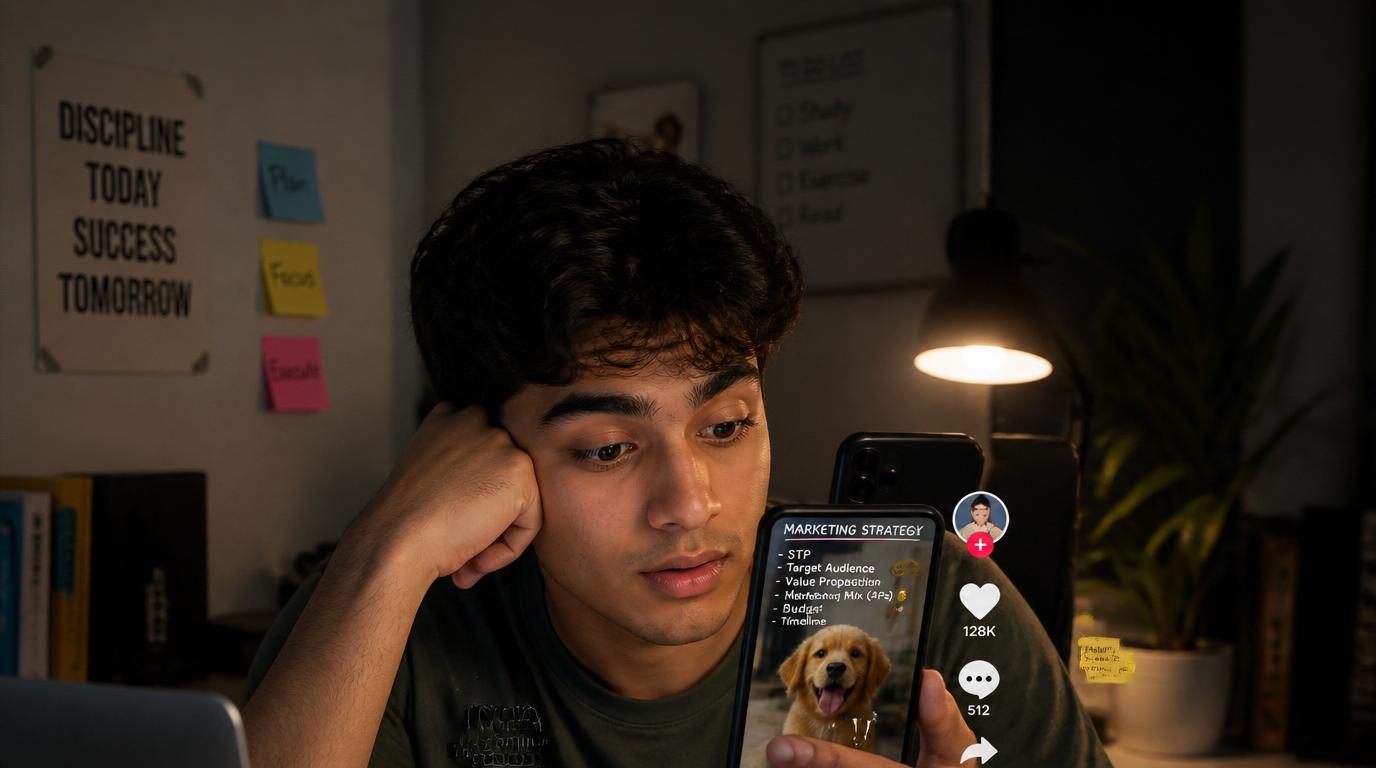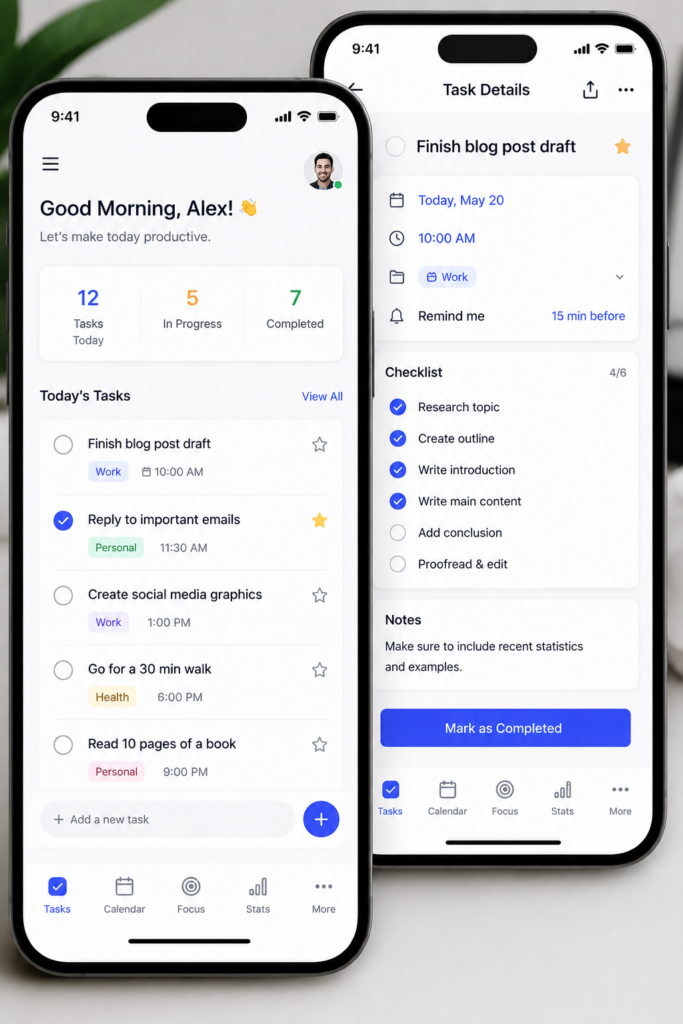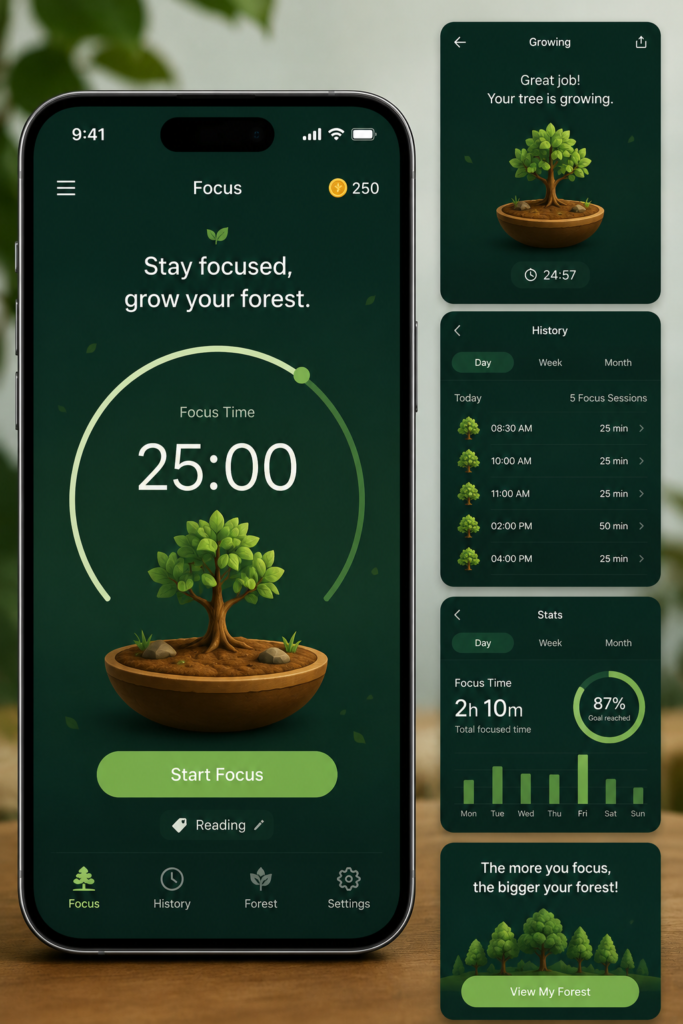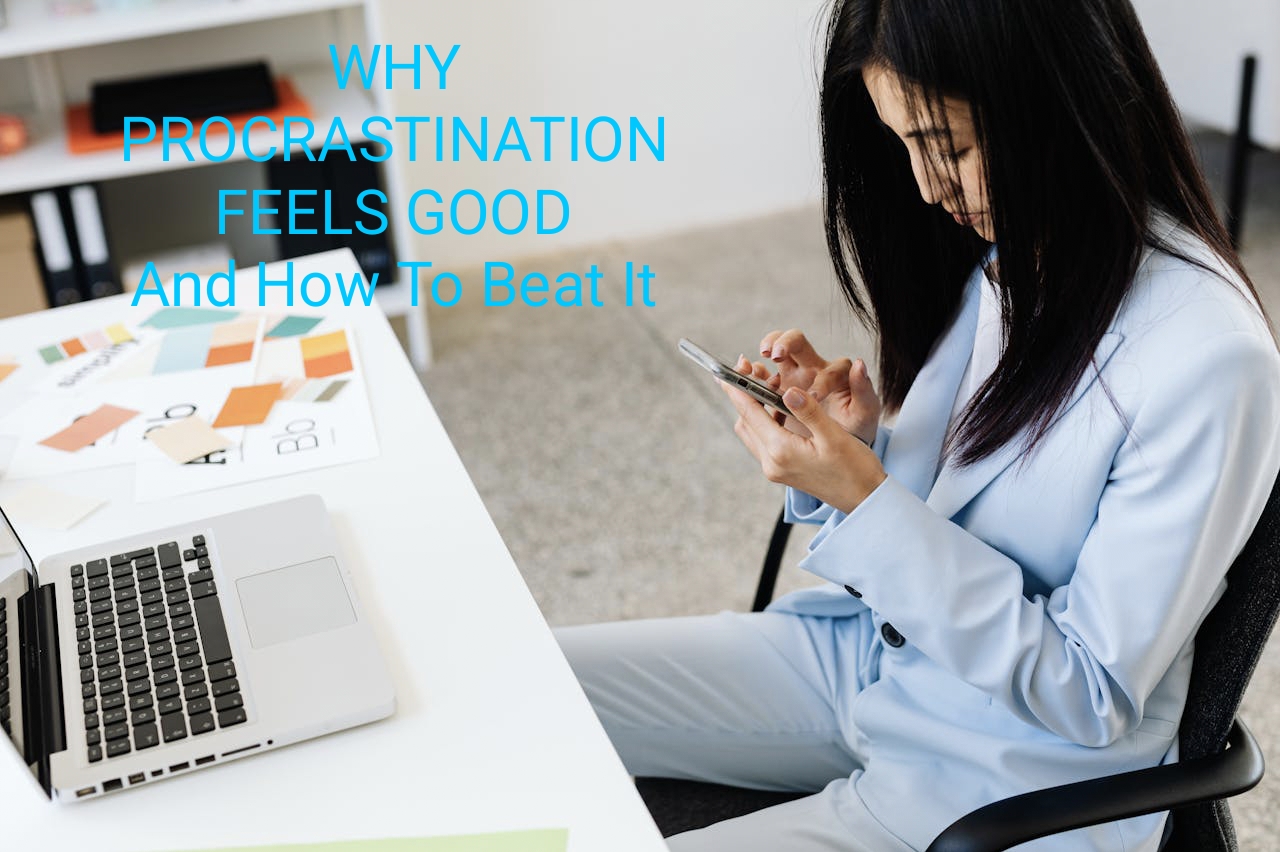
Procrastination often feels rewarding because it provides temporary relief from difficult or uncomfortable tasks.
Introduction
Have you ever opened your laptop to work on an important task, only to find yourself scrolling social media, watching videos, or organizing things that suddenly seem urgent?
Most people think procrastination is a time management problem.
It isn’t.
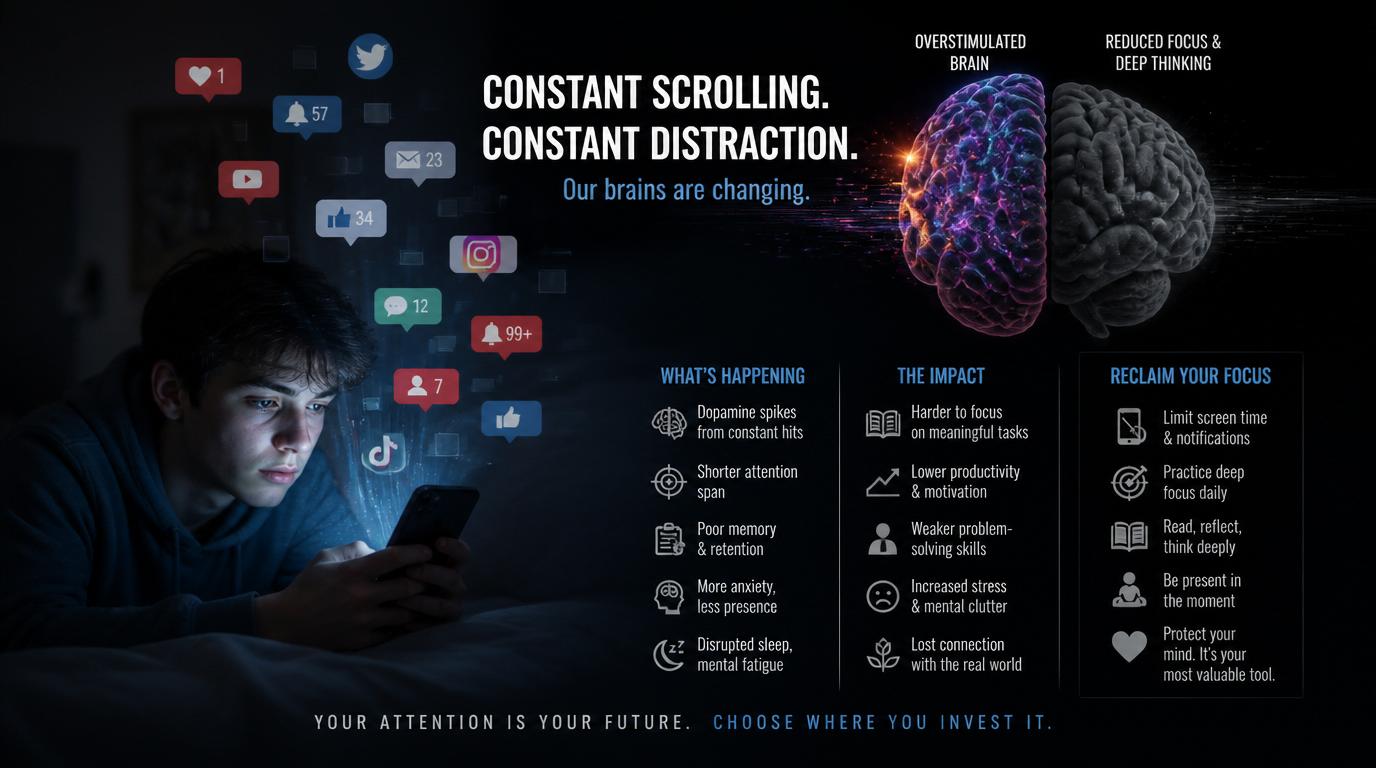
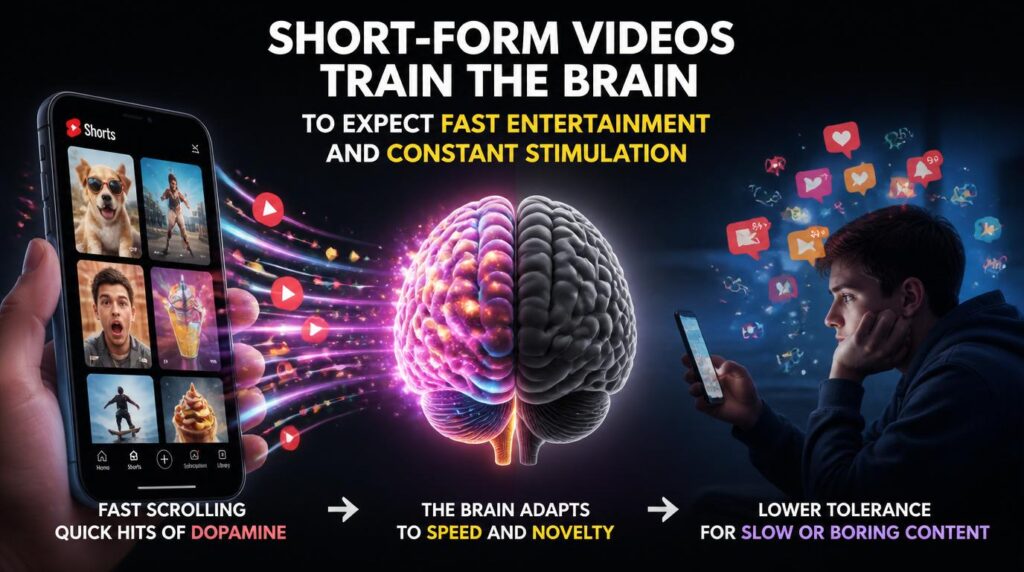
Constant digital stimulation can significantly affect your attention span and make important work feel harder to start.
https://sandeepblogging.com/why-short-videos-are-destroying-your-attention-span/
Procrastination is often an emotion management problem.
The reason procrastination is so common is that it actually feels good in the moment. When we delay a difficult task, our brain experiences temporary relief. That relief becomes rewarding, making procrastination a habit that repeats itself.
In this article, we’ll explore why procrastination feels so satisfying, how it affects productivity, and what you can do to break the cycle.
What Is Procrastination?
Procrastination is the act of delaying or avoiding tasks that you know are important.
Examples include:
•Putting off studying for an exam
•Delaying a work project
•Avoiding difficult conversations
•Postponing exercise
•Waiting until the last minute to complete assignments
The key difference between procrastination and rest is intention.
Rest is a planned recovery activity.
Procrastination is avoiding something you know you should be doing.
Why Procrastination Feels Good

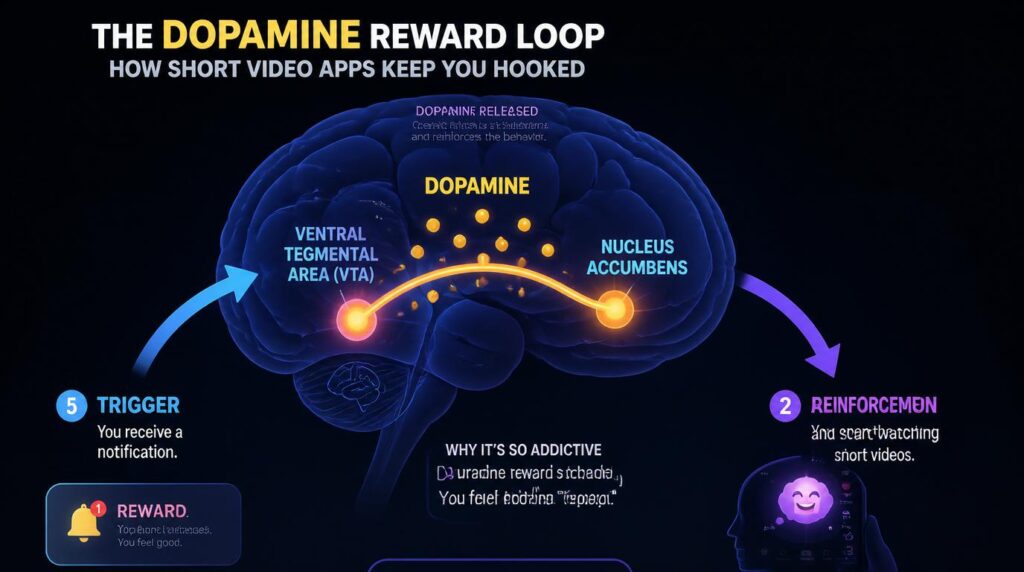
Avoiding difficult tasks can create temporary emotional relief, which reinforces procrastination habits.
Many people assume procrastination happens because they are lazy.
Research suggests something different.
When we face a difficult task, we may experience:
•Stress
•Anxiety
•Fear of failure
•Uncertainty
•Mental discomfort
Our brain naturally wants to reduce discomfort.
When we switch from a difficult task to something easier, we experience immediate relief.
That relief feels rewarding.
The problem is that the reward is temporary.
The Instant Gratification Trap

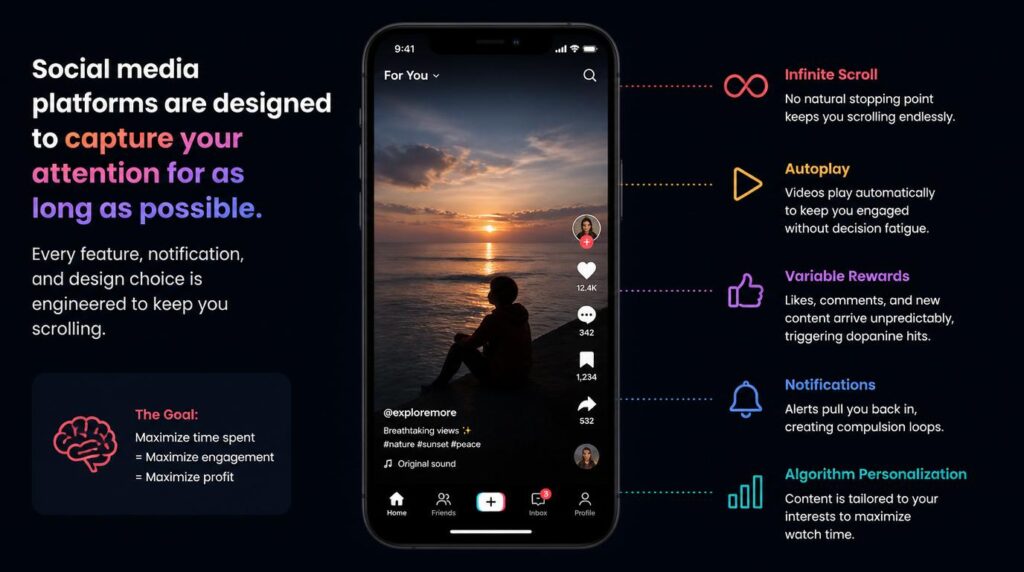
Social media and short-form content provide immediate rewards that compete with long-term goals.
Frequent phone checking habits make instant gratification even more difficult to resist.
https://sandeepblogging.com/why-we-check-our-phones-hundreds-of-times-a-day/
Modern technology makes procrastination easier than ever.
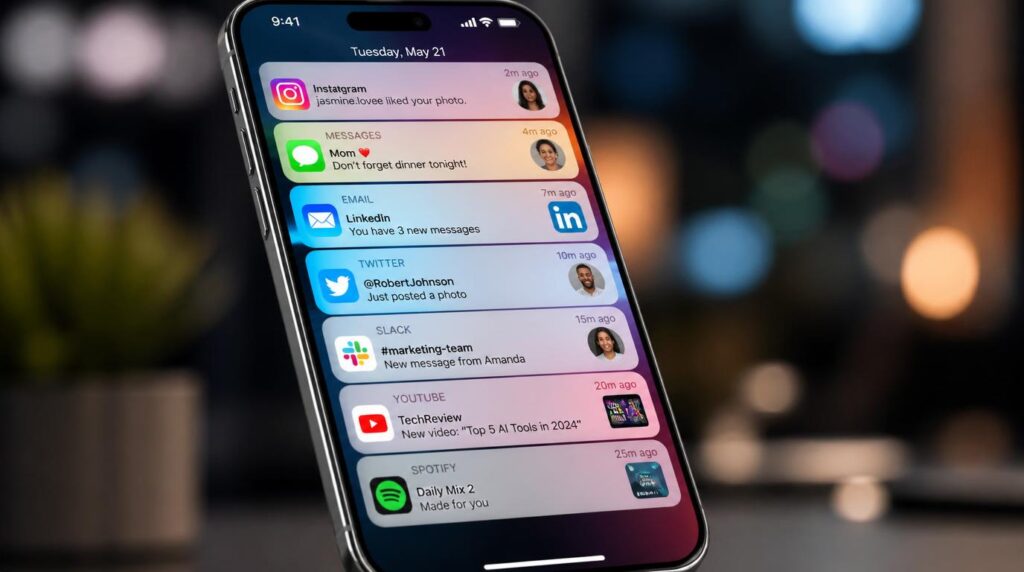
Social media, short videos, games, and endless notifications provide instant rewards.
Compare these two options:
Option A: Spend two hours working on a challenging project.
Option B: Watch entertaining videos for two hours.
The second option delivers immediate pleasure.
The first option requires effort before rewards appear.
Our brains often choose immediate rewards over delayed rewards.
This is known as instant gratification.
Why Your Brain Chooses Short-Term Rewards
psychology research
Human brains evolved to prioritize immediate benefits.
Thousands of years ago, immediate rewards helped humans survive.
Today, that same tendency can work against us.
Social media platforms, mobile apps, and entertainment content are designed to provide frequent rewards.
Every like, comment, notification, or new video can trigger curiosity and engagement.
As a result, important tasks often lose the competition for attention.
The Hidden Cost of Procrastination
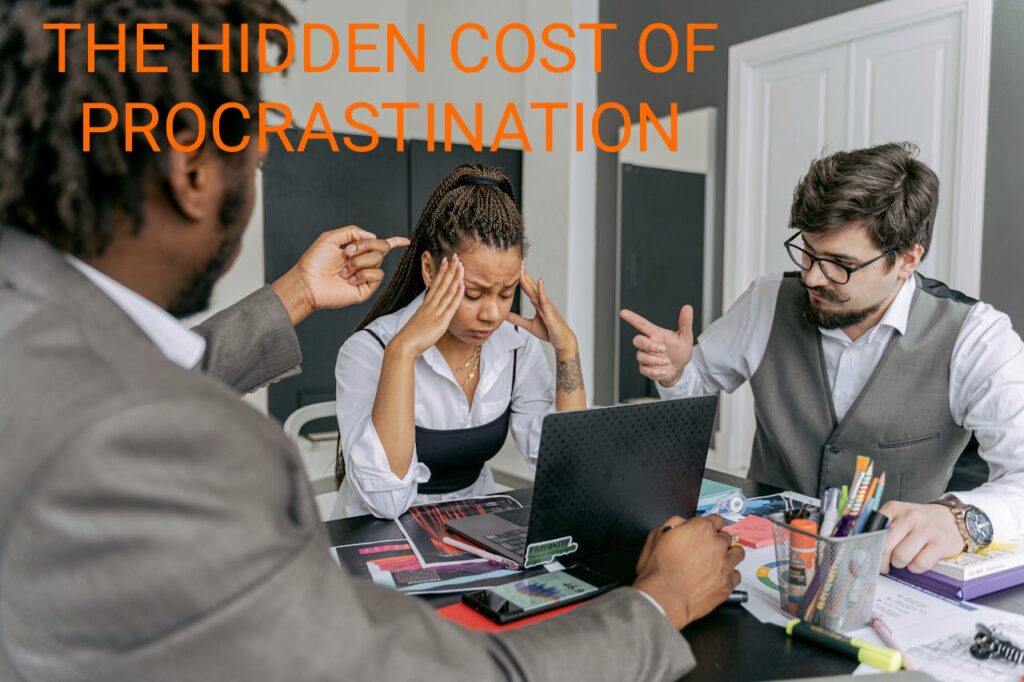
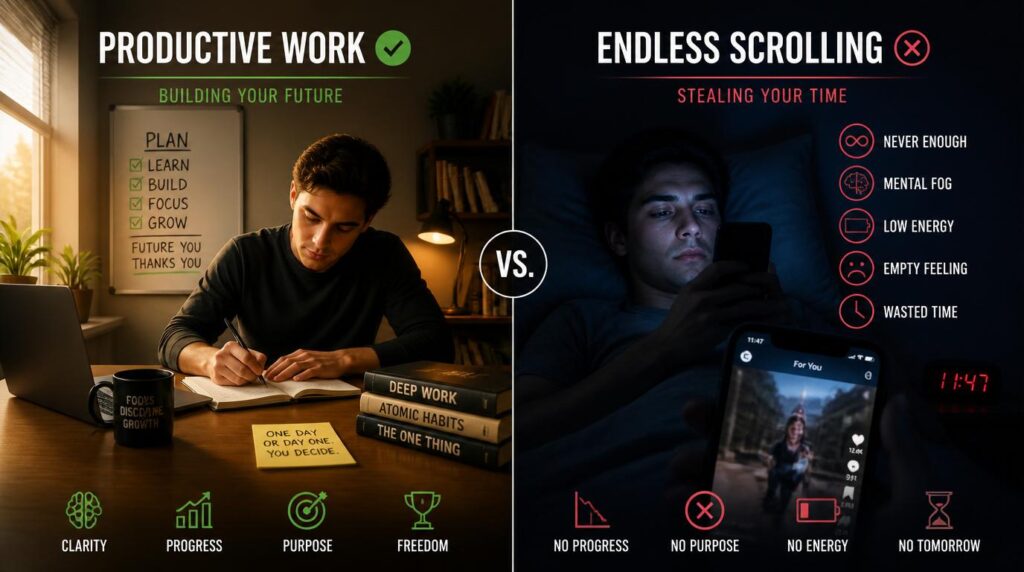
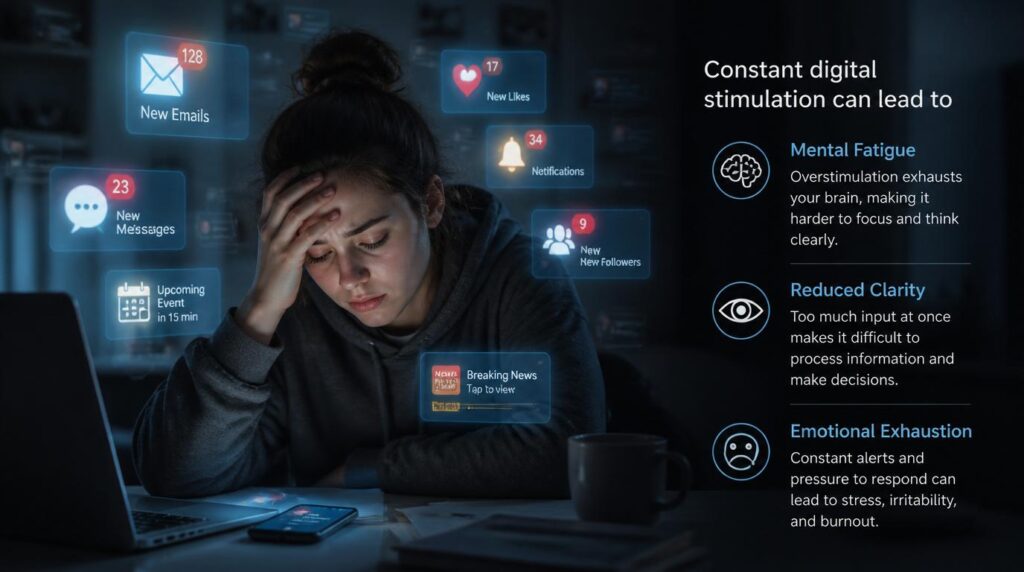
Delaying important tasks often increases stress, mental fatigue, and pressure over time.
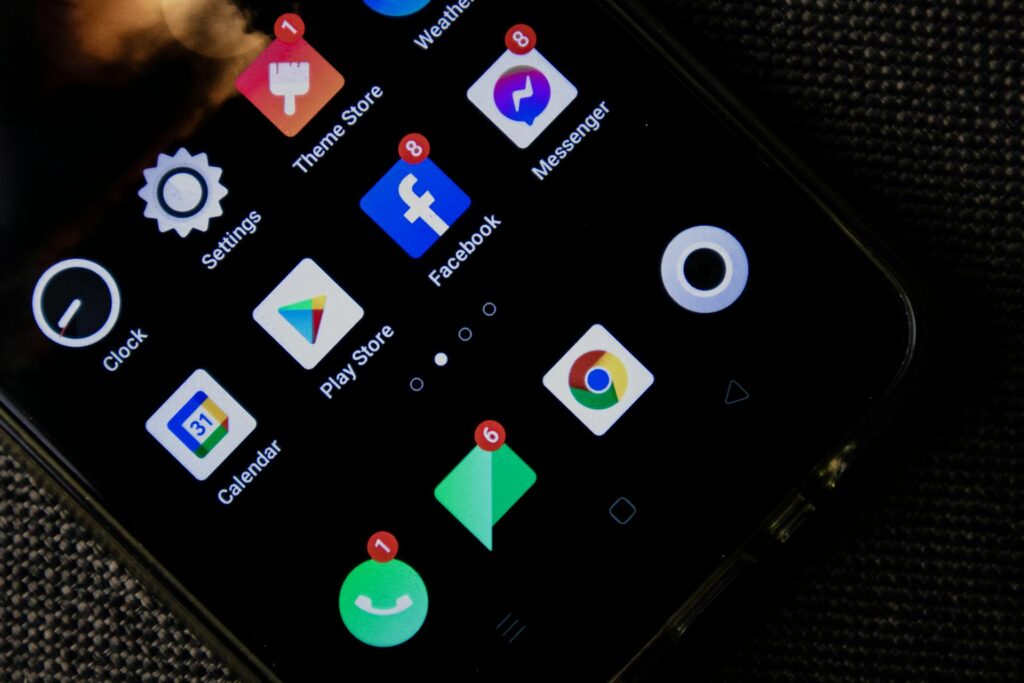
Constant notifications and distractions can make procrastination even worse.
https://sandeepblogging.com/hidden-stress-behind-notifications/
Although procrastination feels good initially, the long-term consequences can be significant.
Common effects include:
Increased Stress
The task doesn’t disappear.
It remains in the background, creating ongoing mental pressure.
Reduced Productivity
Delaying important work leaves less time to complete it properly.
Lower Confidence
Repeated procrastination can make people doubt their abilities.
Poor Quality Results
Last-minute work is often rushed and less effective.
Mental Fatigue
Constantly thinking about unfinished tasks consumes mental energy.
How To Beat Procrastination

Small focused actions are often more effective than waiting for motivation to appear.
Many people combine procrastination with multitasking, which further reduces productivity.
https://sandeepblogging.com/why-multitasking-doesnt-work/
1. Use the Five-Minute Rule
Tell yourself:
“I only need to work on this for five minutes.”
Starting is usually the hardest part.
Once you begin, continuing becomes easier.
2. Break Large Tasks Into Small Steps
Big tasks feel overwhelming.
Instead of:
“Write a blog post.”
Try:
•Choose topic
•Create outline
•Write introduction
•Write first section
Small steps reduce mental resistance.
3. Remove Distractions
Create an environment that supports focus.
Examples:
•Silence notifications
•Put your phone away
•Close unnecessary tabs
•Use website blockers if needed
4. Focus on Progress, Not Perfection
Perfectionism often causes procrastination.
Many people delay work because they want everything to be perfect.
Progress matters more than perfection.
5. Schedule Deep Work Sessions
Set aside dedicated time for focused work.
Even 30 minutes of uninterrupted focus can produce meaningful results.
Building Better Habits
productivity research